Show Up Like You Mean It: The Science of a Legendary First Entrance in Paradise Valley
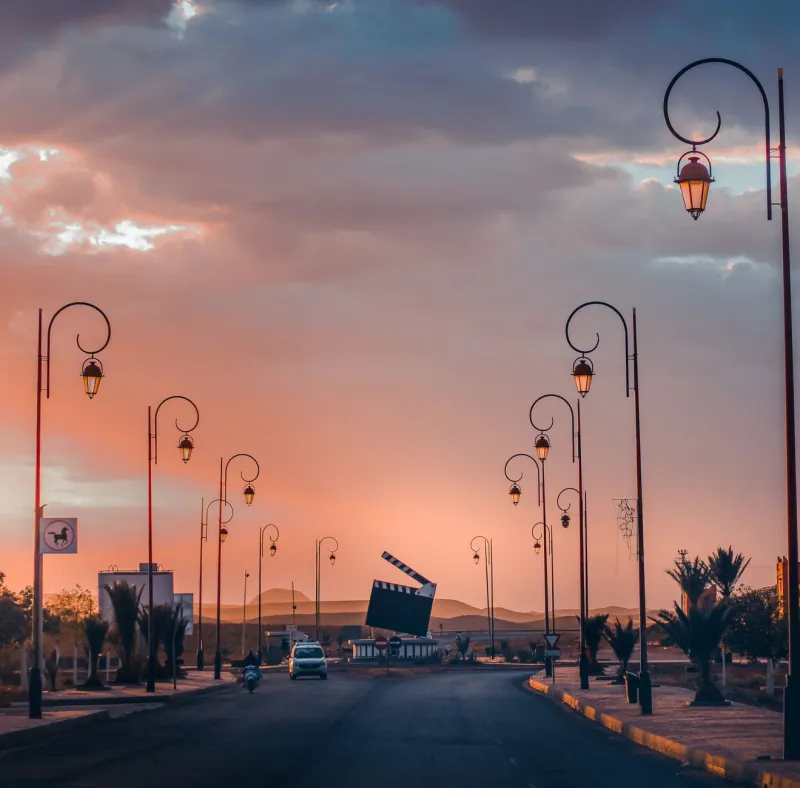
There's a saying that floats around the Paradise Valley community: you never get a second chance at a first scene. It sounds like something your high school guidance counselor would stitch on a pillow, but in this valley, it's basically gospel. The way you show up — where you land, who you talk to first, what you're wearing, what you're carrying, what you say — all of it gets absorbed by the community faster than you'd think. People remember. Characters remember. And reputations have a way of calcifying before you even realize you've made one.
So how do the players who seem to hit the ground running actually do it? Turns out, there's a lot more intention behind those smooth entrances than it looks like from the outside.
Location, Location, Location
One of the first decisions any new or returning player makes is where to physically enter the valley. It seems like a small thing — a spawn point, a portal, whatever the mechanics allow — but experienced players will tell you it's one of the most loaded choices in the whole game.
Arriving at the central market puts you in the middle of the noise. You're visible immediately, which is great if your character is meant to be loud and present, but brutal if you haven't figured out your story yet. You'll get hit with interactions before you're ready, and fumbling those early exchanges can brand you as unsure or underprepared in a community that rewards confidence.
The quieter entry points — a back road, a residential neighborhood, a diner on the edge of town — give you breathing room. You can observe before you engage. You can let the world come to you on a smaller scale. A lot of veteran players actually recommend this approach for brand-new characters, even if it feels less exciting. The valley rewards patience, and a slow entrance with purpose beats a flashy entrance with nothing behind it.
The First Interaction Is a Contract
Whoever your character meets first is going to shape how the broader community understands you. That's not an exaggeration — it's just how social dynamics work, both in real life and in immersive RP environments. If your first conversation is with one of the valley's known power players, you're immediately associated with that world. If you stumble into a conflict without knowing the backstory, you might accidentally pick a side in a war you didn't know existed.
The most strategically minded players actually research before they log in. They check the forums, read through recent community posts, and get a feel for what storylines are hot right now. Who's feuding with who? Which factions are actively recruiting? Is there a power vacuum that a new character could plausibly step into? Coming in with that knowledge doesn't mean scripting every interaction — it means knowing enough to improvise intelligently.
One community member described it like moving to a new city: "You wouldn't walk into a bar in a neighborhood you don't know and immediately start talking politics with strangers. You listen first. You get the vibe. Then you decide what version of yourself makes sense here."
The Comeback Entrance Is Its Own Beast
Returning players face a different challenge entirely. If you've been away from Paradise Valley for a while — whether that's a few weeks or a few months — the world has kept moving without you. Alliances have shifted. Some characters you used to know are gone. New faces have moved into spaces your character might have once occupied.
The temptation is to pick up exactly where you left off, but that almost never works cleanly. The valley's most respected returning players tend to treat their comeback like a soft relaunch. They don't announce themselves immediately. They let the world react to their return organically, which usually generates far more interesting story material than just showing back up and expecting everything to be the same.
There's also the matter of explaining the absence. In a community this immersive, your character's disappearance exists within the fiction. Where were they? What happened? The players who think that through before they return come back with built-in story hooks that other characters can engage with. The ones who don't often find themselves fielding awkward in-character questions they're not prepared to answer.
Wardrobe, Gear, and the Signals You Don't Know You're Sending
Visual presentation matters more in Paradise Valley than a lot of newer players expect. The way your character looks on arrival communicates a whole story before a single word is exchanged. A beat-up work truck and dusty boots say something completely different than a tailored suit and a briefcase. Neither is better — but both are intentional choices that other players will read and respond to.
Some of the valley's most memorable entrances have come from players who treated the visual setup like a movie costume designer would. One well-known community story involves a player who arrived at the valley's main intersection during a server-wide event, wearing all black with a single red detail — a callback to a character who had supposedly died in a major storyline months earlier. Nobody expected the return, and the visual alone sent the community into a frenzy before the character said a word. That's the power of thinking through the aesthetics.
Near-Disasters and What They Teach
Not every entrance goes according to plan, and honestly, some of the valley's best ongoing stories started with a genuinely terrible first impression. There's a certain freedom in that — a bad entrance gives you something to work against, a reputation to either own or dismantle. Some players have leaned into a chaotic debut so hard that the chaos itself became their character's defining trait.
The key difference between a near-disaster that recovers and one that permanently tanks a character's standing usually comes down to how the player handles the aftermath. Leaning in, staying consistent, and finding the story within the mess tends to earn respect even from players who witnessed the stumble. Trying to pretend it didn't happen almost always makes things worse.
The Bottom Line
A great entrance in Paradise Valley isn't about being the loudest or the most dramatic. It's about knowing what story you're trying to tell and making sure your arrival is the first sentence of that story — not a prologue you'll spend months apologizing for. Whether you're brand new to the valley or coming back after a long stretch away, the work you put in before you show up is what separates the players who make an impact from the ones who quietly fade into the background.
The valley is always watching. Might as well give it something worth seeing.